How to Choose the Best Energy Solutions for Your Business?
Choosing the right energy solutions for your business is crucial. In the current economic climate, energy efficiency is more than just a cost-saving measure. It is a strategy for long-term sustainability. Expert and energy solutions consultant, Dr. Emily Harris, emphasizes, “The right energy solutions can transform your business operations.”
Identifying the best energy solutions involves understanding your unique needs. Each business has different energy requirements. Factors such as size, industry, and location play significant roles. Effective energy strategies can enhance productivity while reducing environmental impact. However, many companies struggle to align their selected solutions with their operational goals.
Evaluating energy solutions requires expertise. Not every option will suit your business model. Sometimes, companies overlook alternative sources of energy or advanced technologies. This often leads to missed opportunities for savings and innovation. Thoughtful consideration of energy solutions will help shape a resilient future for your business.

Identifying Your Business's Energy Needs and Goals
When identifying your business's energy needs and goals, it's essential to assess your current consumption. Start by collecting data on your energy usage over the past year. Look for patterns in peak usage times and identify which areas require the most energy. This data serves as a foundation for making informed decisions about energy solutions.
Next, consider your business's long-term goals. Are you looking to reduce costs, enhance sustainability, or improve operational efficiency? Engaging employees in this process can generate valuable insights. Listening to their experiences may highlight unrecognized energy waste or potential areas for improvement. Reflect on your company culture and how energy choices align with your values.
Finally, it's crucial to remain flexible. As your business evolves, so will your energy needs. Choosing a solution that can adapt to change is vital. Regularly revisiting your energy strategy can ensure it aligns with your growing goals and changing market conditions. The journey toward energy efficiency is ongoing and may require multiple adjustments along the way.
Evaluating Available Energy Sources and Technologies
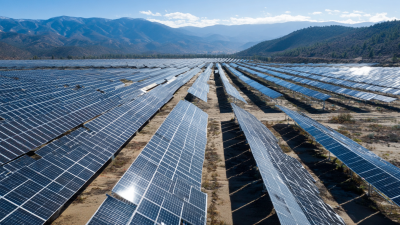
In today’s business environment, selecting the right energy source is crucial. Businesses can choose from various sources like solar, wind, and natural gas. Each option comes with its advantages and challenges. For instance, solar energy is sustainable, but requires a significant upfront investment. Wind energy is abundant, yet its reliability can vary with weather conditions.
Evaluating technologies is equally important. Battery storage systems can enhance the effectiveness of renewable sources. However, these technologies may not always be cost-effective for every business. Conducting a detailed analysis of energy needs is essential. Businesses should evaluate their energy consumption patterns and future growth projections. This helps in understanding which sources will be most beneficial.
Additionally, keep in mind that regulations may affect energy choices. Some areas offer incentives for using renewable sources, while others may have restrictions. Before making a final decision, reflect on both immediate and long-term impacts. Balancing cost, convenience, and sustainability will lead to more informed choices.
Assessing Costs and Financial Incentives for Energy Solutions
Assessing costs and financial incentives is crucial for choosing energy solutions. Many businesses overlook hidden expenses, such as installation and maintenance. A report from the International Energy Agency reveals that operational costs can account for up to 70% of a facility's energy expenditure. Understanding these elements is vital for informed decisions.
Small changes can lead to significant savings. For example, switching to LED lights can reduce energy consumption by approximately 75%. Additionally, renewable energy sources may be incentivized through tax credits or rebates, enhancing the investment's feasibility. The U.S. Department of Energy suggests that companies utilizing solar energy could save between 30% to 50% on electricity over time.
Evaluating your energy needs is key. Consider energy audits to identify inefficiencies. Sometimes, the initial investment appears daunting. Yet, financial incentives can alleviate some burdens. Grants and financing options make sustainable choices more accessible. Make sure to explore local and federal programs that support businesses in this transition. Every dollar saved can be reinvested into your business.
Understanding Regulatory and Environmental Considerations
When selecting energy solutions for your business, regulatory and environmental considerations play a vital role. Understanding local regulations is crucial. The U.S. Energy Information Administration (EIA) reported that over 60% of business energy costs can be tied to compliance violations. Companies must stay informed about changing policies at both state and federal levels. This awareness can prevent costly fines and foster a positive corporate image.
Adopting green energy options often meets regulatory expectations. According to a 2021 study by the International Energy Agency (IEA), businesses that invest in renewable energy can reduce their operational costs by up to 30% in the long run. Exploring local incentives can make transition to sustainable energy more affordable. Government programs can support initial investments.
Evaluate the impact of energy decisions on the environment. Many companies overlook the long-term ecological effects of energy consumption. Assessing your carbon footprint can guide better choices. Conducting a sustainability audit helps identify areas for improvement. This proactive approach demonstrates corporate responsibility, attracting environmentally conscious customers and investors. Making informed decisions enhances both profitability and sustainability.
Implementing and Monitoring Your Chosen Energy Solution
Implementing and monitoring your chosen energy solution is critical for long-term sustainability. A recent study from the International Energy Agency reveals that effective energy management can reduce operational costs by up to 30%. However, many businesses struggle with the complexities of monitoring their energy consumption. Tools like energy management systems (EMS) can help businesses gather real-time data. This data provides more transparency about energy use, making it easier to identify wasteful practices.
Regular audits should be conducted to ensure compliance with established energy protocols. Monitoring key performance indicators (KPIs) can give you insights into your progress. For instance, tracking energy usage versus the previous year helps businesses understand the effectiveness of their energy solutions. It is equally important to engage staff in your energy strategies. According to a report by the U.S. Department of Energy, employee involvement can lead to a 15% increase in energy savings. However, companies often overlook staff training, leading to missed opportunities for optimizing energy performance.
Feedback loops are essential for refining your energy strategy. Sometimes implemented solutions may not yield expected results. Re-evaluating these strategies based on performance data is crucial. Collecting feedback from employees can also provide valuable perspectives. Make adjustments when necessary, as energy solutions should evolve with changing business needs. Real-world challenges bring forth the need for adaptability in energy management.
Energy Consumption by Solution Type in Small Businesses