How to Choose the Best Electric Go-Karts for Your Business?
Choosing the right Electric Go-Karts for your business is essential for success. The global electric go-kart market is projected to reach $2.2 billion by 2025, showcasing significant growth. This increasing demand highlights the importance of quality and reliability in your purchases.
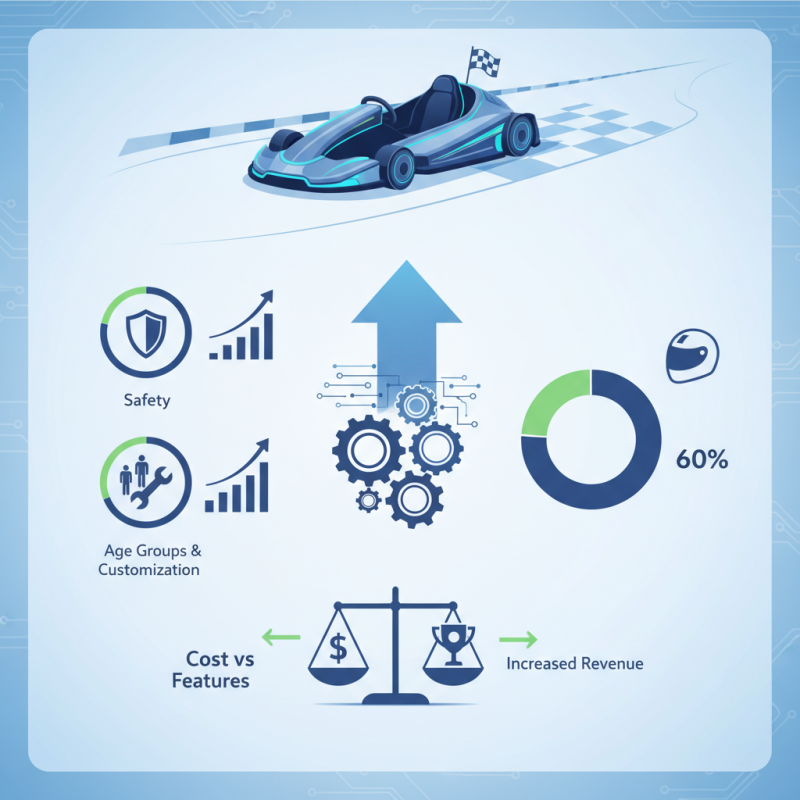
When selecting Electric Go-Karts, various factors come into play. From performance specifications to safety features, every detail counts. Reports indicate that 60% of customers prioritize safety when racing. This statistic underscores the need for karts that meet stringent safety standards.
While it's tempting to choose the latest models, reflecting on your specific business needs is crucial. Are the karts suitable for varied age groups? Do they offer customization options? Balancing features and cost can be challenging. Therefore, thorough research is necessary to avoid potential pitfalls. The right choice can enhance customer experiences and drive revenue, but mistakes can lead to decreased satisfaction and operational issues.
Understanding the Different Types of Electric Go-Karts Available
When selecting electric go-karts for your business, understanding the various types is crucial. Electric go-karts generally fall into three main categories: indoor, outdoor, and recreational. Each type has distinct features, making them suitable for different environments and purposes.
Indoor go-karts are typically compact and designed for tracks with limited space. They often have lower speeds, prioritizing safety and maneuverability. Outdoor go-karts, on the other hand, are built to handle larger tracks and higher speeds. They feature robust frames and powerful motors, allowing for thrilling races in open air. Recreational go-karts combine elements of both, offering versatility for amusement parks or family entertainment centers.
Choosing the right type requires considering your target audience. Families might prefer lower-speed indoor karts for safety. In contrast, thrill-seekers may gravitate toward fast outdoor options. Reflect on your facility's needs and customer preferences to guide your decision. Each type has its strengths and weaknesses, and the perfect choice will depend on various factors, including space, safety protocols, and target demographics.
Assessing the Performance and Speed Specifications of Go-Karts
When evaluating electric go-karts for your business, performance and speed specifications should be at the forefront of your decision-making process. According to a recent industry report, electric go-karts can reach speeds up to 25 mph, significantly boosting the attraction for customers seeking thrill. This speed is ideal for outdoor tracks and can enhance the overall racing experience.
Battery power is another crucial factor. Many high-quality electric go-karts offer a range of 15 to 30 miles on a single charge. However, not all models maintain consistent speed as battery levels decrease. It's essential to assess how performance changes with battery life. Frequent stops for recharging can disrupt customer flow and enjoyment.
Lastly, consider acceleration rates. A go-kart that can reach top speed quickly can be more engaging for racers. Models often show a 0-25 mph acceleration in under 6 seconds. Still, some racers may prefer smoother acceleration, which could affect their enjoyment. Balancing these specifications helps ensure an exciting and reliable go-karting experience for your patrons.
Evaluating Safety Features and Compliance Standards
When selecting electric go-karts for your business, safety features and compliance standards are critical. A 2023 report from the International Karting Safety Association indicates that facilities prioritizing safety reduce accident rates by up to 30%. This statistic highlights the importance of investing in go-karts equipped with advanced safety features. Look for models equipped with roll bars, seat belts, and speed limiters. These features are essential for minimizing risks in high-speed racing environments.
Additionally, it’s vital to ensure compliance with local safety regulations. Many regions have specific standards for electric go-karts, which may include weight limits and electrical safety checks. Failure to meet these standards could lead to liability issues and higher insurance costs. Regular safety audits, as suggested by a 2022 report from the National Association of Amusement Rides, can help maintain compliance. Establishing a schedule for these checks reflects a commitment to safety and can reassure customers.
However, not all safety features are foolproof. Some go-kart designs may prioritize speed over safety, leading to potential hazards. Always seek feedback from users and staff about any recurring safety issues. This ongoing dialogue can help identify areas needing improvement and ensure a safer and more enjoyable racing environment for all participants.
Considering Durability and Maintenance Requirements for Business Use
When choosing electric go-karts for business, durability is key. Consider materials that resist wear and tear. High-quality plastic bodies tend to hold up better than cheaper alternatives. Look for components that can withstand heavy usage, especially in a business setting where constant operation is expected.
Maintenance requirements should not be overlooked. Regular checks will prolong the life of your go-karts. This includes battery health assessments and tire replacements. Simple designs often make maintenance easier. If a part fails, you want to replace it quickly.
Tips: Check for customer reviews about longevity. Explore industry forums for insights on common issues. Investing time in research can pay off in the long run. Durability and maintenance combine to support sustainability. Prioritize both for successful go-kart operations.
Analyzing Cost vs. Value: Budgeting for Your Electric Go-Kart Fleet
When budgeting for an electric go-kart fleet, it's crucial to understand the balance between cost and value. Industry reports suggest that the initial investment for a high-quality electric go-kart typically ranges from $5,000 to $15,000 per unit. This price varies based on features like battery life, speed, and safety mechanisms.
However, lower upfront costs can lead to higher maintenance expenses. A recent study indicated that businesses often spend 25% more on maintenance for cheaper models. Likewise, the longevity of the karts plays a significant role. High-end karts generally last longer and require fewer repairs, which can significantly cut overall operational costs in the long run.
Moreover, consider the potential revenue from these karts. Some facilities report up to $300,000 in revenue annually from go-kart rentals. This income can offset initial expenditures, showing the importance of investing wisely. Quality karts may offer better performance, which translates to happier customers and repeat business. Careful financial planning and analysis are essential. Investing too little might hinder profitability over time. Balancing cost with quality can lead to greater success in the competitive go-kart racing market.
Cost vs. Value Analysis for Electric Go-Karts