How to Choose an EV Charger Wall Plug for Your Electric Vehicle?
Selecting the right Ev Charger Wall Plug can seem daunting, but it is crucial for your electric vehicle. According to John Smith, a leading expert in EV infrastructure, "Choosing the right plug makes all the difference in charging efficiency."
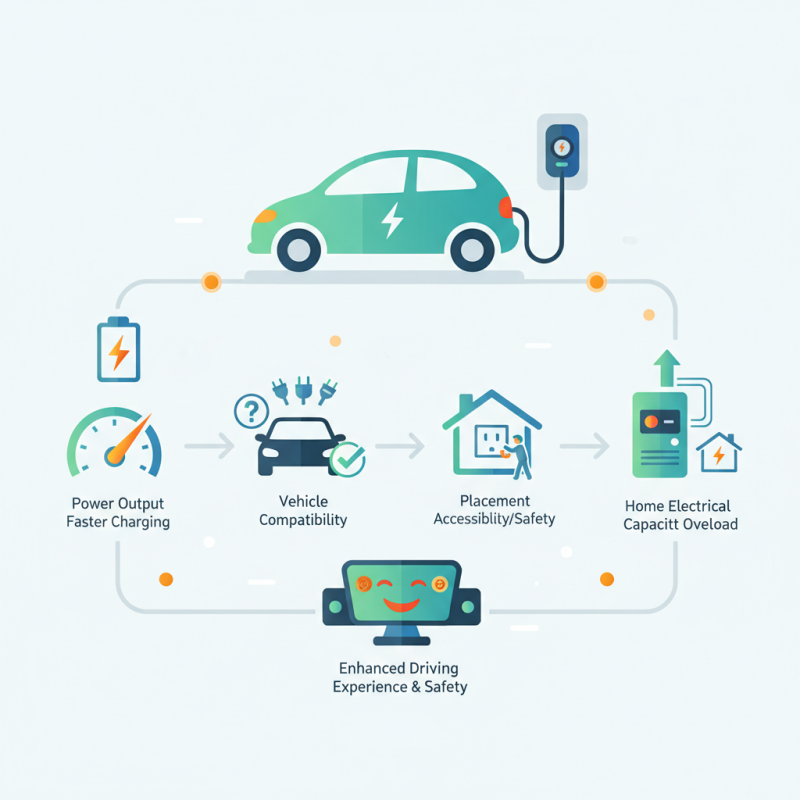
There are various factors to consider. The power output is one. A higher output means faster charging. Compatibility with your vehicle is another critical aspect. Not every charger fits every car. Think of the inconvenience if your EV Charger Wall Plug isn’t suitable.
Placement also matters. Where will you install it? Ensure easy access and safety. Reflect on your home’s electrical capacity too. Overloading can lead to issues. The right choice can enhance your driving experience while ensuring safety.
Understanding the Different Types of EV Chargers Available
When selecting an EV charger, understanding the types available is crucial. There are three main types: Level 1, Level 2, and DC fast chargers. Level 1 chargers use a standard household outlet. They provide about 3-5 miles of range per hour, making them suitable for overnight charging. However, this slow charging rate may not meet the needs of every driver, especially those with larger battery capacities.
Level 2 chargers are more efficient. They can add 10-60 miles of range per hour, depending on the charger and vehicle. A report by the Electric Power Research Institute shows that around 80% of EV owners prefer Level 2 chargers for home charging. These chargers typically require a dedicated circuit and professional installation. However, installation may be costly, and drivers should consider electrical capacity before making a choice.
DC fast chargers, on the other hand, provide rapid charging, adding 60-100 miles in just 20 minutes. While they are mainly found in public charging stations, their installation costs are high, making home installation less common. A recent study indicated that only 3% of EV owners use DC fast chargers for home charging. Reflecting on personal driving habits is essential. The right charger depends on daily routines and distance traveled.
Key Features to Consider When Choosing an EV Charger Wall Plug
When choosing an EV charger wall plug, consider the charging speed. A faster charging rate means less time waiting. Look for plugs that offer different levels of power output. Wall plugs can range from 3.7 kW to 22 kW or more. Ensure it meets your vehicle’s charging capacity to maximize effectiveness.
Safety features are crucial. Overcurrent protection, surge protection, and thermal cut-offs can make a difference. These features prevent damage to both the charger and the vehicle. Think about the plug's weather resistance, especially if it's outdoors. A good wall plug should withstand rain or snow.
Compatibility with your vehicle is essential. Not all plugs fit every model. Check the connector types prior to purchasing. Review your installation space too. Your garage or parking area should allow for easy access. Sometimes, the placement can lead to unexpected installation challenges. Continuously assess your needs as technology evolves.
Electric Vehicle Charger Wall Plug Features Comparison
This chart compares key features of EV charger wall plugs including charging speed, price, cable length, portability, and smart capabilities. Each bar represents important aspects to consider when choosing an EV charger for your electric vehicle.
Assessing Charging Speed and Power Output for Your Electric Vehicle
When selecting an EV charger wall plug, assessing charging speed is crucial. Charging speed depends on the power output of the charger. Common options include Level 1 and Level 2 chargers. Level 1 chargers provide 120 volts and are slower, ideal for overnight charging. Level 2 chargers, on the other hand, offer 240 volts and significantly reduce charging time.
Consider your vehicle's battery capacity and daily driving habits. If you drive a lot, a faster charger can make a big difference. It feels convenient to plug in and know you will be charged soon. However, not all homes can accommodate high-power charging. Older homes may need electrical upgrades, which can be costly and time-consuming to address.
Pay attention to the amperage rating as well. Higher amperage translates to faster charging. Some may overlook installation requirements, which can add complexity. Evaluate your needs versus the potential hassle. The right choice will largely depend on your lifestyle and driving patterns. Finding a balance is key.
Evaluating Installation Requirements and Home Electrical Capacity
When choosing an EV charger wall plug, understanding your home’s electrical capacity is crucial. Many homes may not be equipped to handle high voltage chargers. You should check the amperage your home circuit can support. A standard outlet provides 120 volts, while Level 2 chargers often need 240 volts. Can your wiring handle this?
Inspecting your electrical panel is a good step. Ensure it can accommodate the additional load of a charger. Some homes might require upgrades. This is not always straightforward. It involves costs and may present logistical hurdles. Some wiring may need replacing too.
Consider the location of your charger. Is there enough space? Installing in a garage is common, but outdoor choices exist. Weatherproofing is important for outdoor units. Evaluate cable lengths as well. Too short means extra hassle. Too long can mean tripping hazards. It’s essential to weigh all factors carefully before making the final decision.
Comparing Costs and Warranty Options for EV Charger Wall Plugs
When considering an EV charger wall plug, costs vary significantly. Basic models can start around a few hundred dollars. More advanced options might reach over a thousand. Installation fees add to the costs. These can depend on your home's electrical system. Do you have a dedicated circuit? That choice influences the overall price.
Warranty options are essential to evaluate. A longer warranty often indicates better quality. Some models come with warranties as short as one year. Others can last up to ten years. Look for coverage on both parts and labor. A comprehensive warranty can save you money in the long run. It's also worth considering what repairs or replacements are included.
Take time to compare costs and warranties. This decision impacts your EV experience. Researching upfront can eliminate future stresses. Don’t rush the process. Ask questions, and reflect on your needs. Each detail counts when investing.