How to Choose Foam Rubber Foam Insulation Tube for Your Needs?
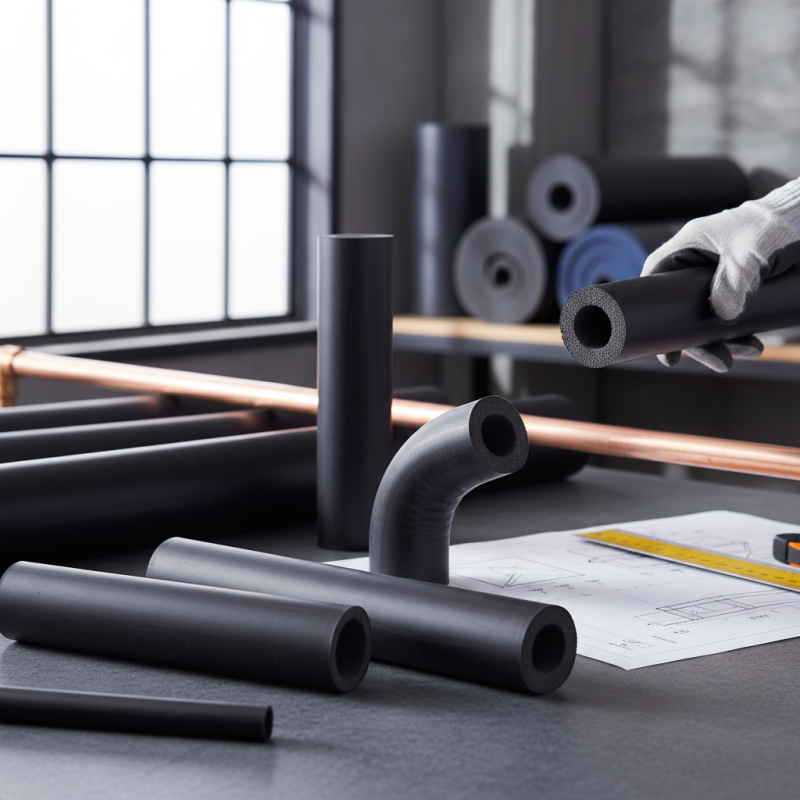
Choosing the right insulation is crucial for energy efficiency. The Foam Rubber Foam Insulation Tube is a popular choice for many applications. It provides excellent thermal insulation and soundproofing.
When selecting a Foam Rubber Foam Insulation Tube, consider your specific needs. Factors such as temperature range, flexibility, and installation method matter. Not every product fits all situations. Sometimes, users may overlook these details, leading to poor choices.
Understanding the materials can enhance your decision-making. Foam rubber is versatile, yet it has limitations. If installed incorrectly, it won’t perform as expected. Doing thorough research and consulting experts is advisable.
Understanding Foam Rubber Foam Insulation Tube Types and Materials
When selecting foam rubber insulation tubes, it is crucial to understand the types and materials available. There are various types of foam rubber, including closed-cell and open-cell foam. Closed-cell foam is denser, providing better insulation and moisture resistance. It is ideal for outdoor applications or areas prone to condensation. On the other hand, open-cell foam is lighter and more flexible, making it suitable for indoor use where movement and sound absorption are essential.
Material composition also plays a significant role in performance. High-quality foam rubber is typically made from synthetic materials such as neoprene or polyurethane. These offer durability and resistance to temperature fluctuations. However, cheaper options might not provide the same level of durability. Evaluating the specific application needs is vital. For instance, a hot water pipe requires different insulation than HVAC systems.
Choosing the right type may feel overwhelming at times. Many might not consider the long-term impacts of poor insulation choices. One could think that any foam will do, but subtle differences can lead to significant energy losses or increased costs. Understanding how these tubes can affect energy efficiency and comfort is essential for informed decisions. Always reflect on your specific needs and the long-term implications of your choice.
Identifying Your Insulation Needs and Applications
When selecting foam rubber insulation tubes, it's vital to identify your specific insulation needs and applications. Do you require thermal resistance for piping? Perhaps moisture control for HVAC systems? Recognizing these requirements will guide your choice. Consider the environment where you will use the insulation. High humidity areas demand different properties compared to dry climates. Insulation that performs well under pressure may not work efficiently in lower-stress contexts.
Think about the size and shape of the objects needing insulation. Achieving a snug fit can significantly impact effectiveness. If your items vary in diameter, custom solutions might be necessary. Awareness of potential gaps is critical, as they can undermine insulation's purpose. Sometimes, the best option can seem like it doesn't meet all expectations. Waiting for the perfect solution could lead to unnecessary delays. Reflect on what aspects are non-negotiable for your application, and prioritize them. Balancing ideal performance with practical constraints can be challenging, yet it's often where the best decisions are made.
Evaluating Thermal Performance and Resistance Properties
When choosing foam rubber insulation tubes, thermal performance is key. Insulation material must have low thermal conductivity. This property minimizes heat transfer, keeping your space comfortable. Resistance is equally important. The ability to withstand moisture and chemicals is essential for durability.
Consider the environment where the insulation will be used. High humidity areas may require materials with better moisture resistance. Ensure that these tubes can handle temperature fluctuations, which can lead to material degradation.
Tips: Check the insulation's R-value. This measurement indicates the material's effectiveness. Higher R-values provide better insulation. Inspect the material for physical integrity; cracks or damages impact performance. Choose materials that comply with building regulations. Always seek recommendations from trusted professionals for installation.
Thermal Performance and Resistance Properties of Foam Rubber Insulation Tubes
This chart illustrates the thermal performance (R-value) and resistance properties (K-value) of different types of foam rubber insulation tubes suitable for various applications. Higher R-values indicate better thermal resistance, while lower K-values signify improved insulating performance.
Assessing Cost, Availability, and Installation Considerations
When selecting foam rubber insulation tubes, consider both cost and availability. Prices can vary significantly based on material quality and supplier. Conducting research on local suppliers can uncover competitive pricing. Ensure you know the standard dimensions that fit your project. Availability may also fluctuate. Popular sizes are often easier to find. If you need something custom, it may require time to source.
Installation is another critical factor. Some foam insulation tubes come with self-adhesive backing. This feature can simplify installation. However, proper surface preparation is essential for optimal adhesion. Always check that the surfaces are clean and dry. For larger projects, consider seeking assistance. Managing installation alone could lead to mistakes.
Reflect on your long-term insulation needs. Higher quality tubes may come with a higher price tag but can deliver better energy efficiency. Weigh the trade-offs. Ensure you choose materials truly suitable for your environment. Insulation should not just fit but also provide lasting protection against temperature fluctuations.
Tips for Maintenance and Long-Term Use of Foam Insulation Tubes
When using foam insulation tubes, proper maintenance is essential for long-term performance. Regular inspections should be part of your routine. Check for any signs of wear or damage. Look for cracks or tears in the insulation. Small issues can lead to larger problems if ignored. Ensuring the integrity of the foam will help maintain its insulating properties.
In addition to inspections, cleaning is crucial. Use mild soap and water to clean the surface of the tubes. Avoid harsh chemicals that could degrade the foam material. Make sure to let them dry completely before reinstallation. This practice not only prolongs their life but also enhances their effectiveness. You might notice that some areas require more frequent attention than others.
Temperature fluctuations can impact foam insulation tubes. Extreme heat or cold can affect their shape and performance. Be mindful of the environment where they are installed. If you notice any changes in efficiency, it's worth reassessing your setup. Adaptation may be necessary over time. Learning from your experiences will lead to better maintenance routines.