How to Choose the Best Camping Sleeping Bag for Your Trip?
Choosing the best camping sleeping bag can significantly affect your outdoor experience. According to Sarah Thompson, a camping gear expert, "The right sleeping bag makes all the difference in a good night’s sleep under the stars." As comfort and warmth are priorities for campers, selecting the perfect bag becomes crucial.
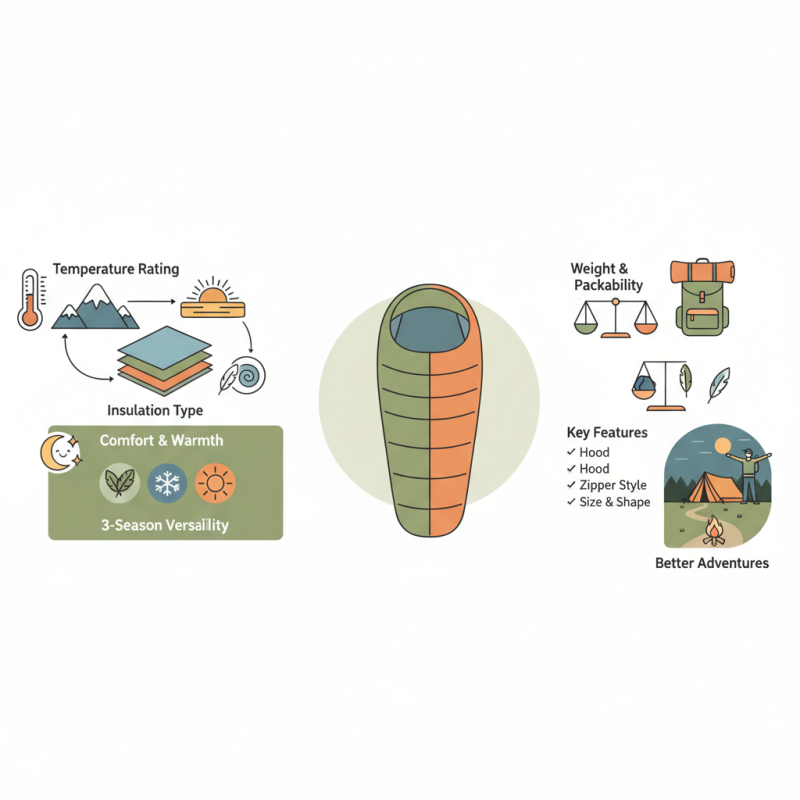
When exploring options, consider the temperature rating and insulation type. A quality camping sleeping bag should fit your needs for warmth without being overly bulky. Many campers discover that a 3-season bag works for most conditions, but personal preferences vary.
Think about weight and packability, especially if you’re hiking. A heavier bag can be burdensome on long treks. Yet, lightweight options may sacrifice warmth. Balancing these aspects is key. Reflect on what features are most important to you. Remember, an informed choice leads to better adventures and less discomfort.
Understanding Different Types of Camping Sleeping Bags
Camping sleeping bags come in various types. Each type serves a specific purpose. Understanding these types helps in making the right choice.
Mummy bags are popular for their warmth. They hug the body closely, reducing heat loss. This design is especially good for cold nights. However, some may feel constricted while using them.
Rectangular bags offer more space. They allow for movement and comfort. But they are less efficient in retaining heat. Some campers prefer them for summer trips.
Another option is a semi-rectangular sleeping bag. It tries to balance warmth and space. Such bags can be versatile, but they might not excel in extreme conditions. When picking a sleeping bag, consider your trip's environment. Are you camping in winter or summer? The temperature rating is crucial. A sleeping bag with a lower rating is essential for colder trips. However, it may be unnecessarily warm during milder months. Reflect on your needs, and choose wisely.
Key Features to Consider When Choosing a Sleeping Bag
When choosing a sleeping bag for your camping trip, consider insulation types. Down insulation offers warmth with less weight, while synthetic is suitable for wet conditions. Each type has its pros and cons. Think about where you’ll be camping. If it's damp, go for synthetic materials.
Another crucial factor is temperature rating. It indicates the lowest temperature a sleeping bag can handle. Choose one that matches the weather conditions of your trip. If you often get cold at night, opt for a bag rated lower than expected temperatures. A sleeping bag that keeps you warm can make a big difference.
Tips: Test your sleeping bag before the trip. Lay it out in your living room, and see how it feels. This helps with comfort and fit. Consider the shape too. Mummy bags keep you warm; rectangular bags offer more space. Evaluate your needs based on your camping style. Remember, comfort doesn’t come cheaply.
How Temperaturе Ratings Affect Your Sleeping Bag Choice
When choosing a sleeping bag, understanding temperature ratings is crucial. These ratings indicate the lowest temperature at which the bag can keep you warm. A bag rated for 20°F may keep you cozy at that temperature, but not all bags are created equal.
Consider your trip's weather. If you're camping in warmer months, a bag with a higher rating suffices. Look for one rated between 35°F and 50°F. For cooler adventures, opt for bags rated below 20°F. Remember, layering clothing inside your bag can also provide warmth.
Tips: Always check the seasonality of your sleeping bag. A three-season bag works in spring, summer, and fall. Don’t overlook the bag’s shape. Mummy bags are warmer, while rectangular ones offer more space. Sometimes, your body type may not fit perfectly into the rated bag. Try before buying, if possible.
How to Choose the Best Camping Sleeping Bag for Your Trip? - How Temperature Ratings Affect Your Sleeping Bag Choice
| Temperature Rating (°F) | Best Uses | Weight (lbs) | Material | Price Range ($) |
| 20°F | Spring/Fall Camping | 3.5 | Synthetic | 80 - 120 |
| 30°F | Summer Camping | 2.5 | Down | 100 - 150 |
| 0°F | Winter Camping | 4.5 | Synthetic | 120 - 200 |
| 40°F | Late Summer/Backpacking | 2.0 | Down | 90 - 130 |
| 15°F | Cold Weather Camping | 3.0 | Synthetic | 150 - 250 |
Material Options: Pros and Cons for Camping Sleeping Bags
When choosing a camping sleeping bag, material plays a vital role. There are two primary options: down and synthetic. Each has its pros and cons, influencing your comfort and warmth.
Down sleeping bags are lightweight and highly packable. They offer excellent insulation and warmth for their weight. However, they can be pricey and lose insulation when wet. If you’re camping in damp climates, it may not be your best option. On the other hand, synthetic bags are generally more affordable. They perform well in wet conditions and dry quickly. Yet, they tend to be heavier and bulkier, making them less convenient for backpacking.
Tips: Consider your trip's climate. If it's likely to rain, synthetic might be your best choice. On chilly nights, down bags excel. Think deeply about your needs. Comfort and weight must be balanced. Reflect on how you pack and transport your gear. What works for others might not work for you. Each material has its trade-offs. Choosing the right sleeping bag can significantly impact your camping experience.
Size and Fit: Finding the Right Sleeping Bag for Your Comfort
When selecting a sleeping bag, size and fit are crucial for a comfortable night outdoors. According to a 2021 report by the Outdoor Industry Association, improper sizing can compromise sleep quality. Too tight a bag can restrict movement, while a bag too loose may lead to heat loss. The right fit ensures warmth and allows for a restful night under the stars.
Consider your height and the sleeping bag's dimensions. Most bags come in standard lengths, typically ranging from 6 to 6.5 feet. If you're taller, look for long or extra-long options. A bag that is too short can leave your feet exposed, resulting in discomfort. Also, review the bag’s shape. Mummy bags are snug and ideal for warmth, while rectangular bags offer more room but may not retain heat as effectively.
Do not overlook the importance of adjusting the bag’s features. Zippers and hoods can enhance fit. A snug hood prevents heat escape, while a draft collar keeps cold air out. A 2022 study found that users who adjusted these features reported better sleep quality. Your choice should reflect personal comfort needs, as everyone has different preferences. It's essential to find a balance between warmth and comfort for an enjoyable camping experience.
How to Choose the Best Camping Sleeping Bag for Your Trip?