10 Essential Tips for Choosing the Right Solar Module for Your Home
Choosing the right solar module for your home is a crucial decision that can significantly impact your renewable energy efforts and overall investment in solar power. With an increasing number of homeowners looking to harness the sun’s energy, the market is filled with various solar module options, each claiming to offer superior performance, efficiency, and durability. However, making an informed choice requires a careful evaluation of several factors that extend beyond mere price tags and aesthetic appeal.
This guide presents ten essential tips designed to help you navigate the complexities of selecting a solar module that aligns with your energy needs and budget. By understanding key characteristics such as efficiency ratings, warranties, and installation requirements, you can ensure that your investment not only meets your energy demands but also stands the test of time. Whether you are new to solar energy or seeking to upgrade your existing system, these insights will empower you to make a decision that maximizes both your energy savings and environmental impact.

Understanding Solar Modules: Types and Technologies
When selecting solar modules for your home, it’s essential to understand the different types and technologies available. There are primarily three categories of solar modules: monocrystalline, polycrystalline, and thin-film. Monocrystalline panels, known for their high efficiency and space-saving design, are made from a single crystal structure, making them a popular choice for homeowners with limited roof space. PolyCrystalline panels, while slightly less efficient, are typically more affordable and are composed of multiple crystal structures. Thin-film solar panels, though less common, offer flexibility and can be integrated into various surfaces, making them versatile for certain applications.
Tip 1: Assess your roof space and sunlight exposure. Knowing the available area and how much sunlight it receives can help determine which type of solar module is best for you.
Each technology has its own benefits and considerations, impacting overall performance and longevity. When choosing a solar module, it’s crucial to evaluate the efficiency ratings, temperature coefficients, and warranty periods. Higher efficiency panels tend to perform better in low-light conditions, which can be particularly advantageous in less sunny regions.
Tip 2: Compare warranty offers. A longer warranty can indicate better build quality and reliability, giving you peace of mind regarding your investment.
By understanding these technologies and their implications, you can make informed decisions that align with your energy needs and budget.
Choosing the Right Solar Module: Types and Technologies
Key Factors Influencing Solar Module Selection
When selecting the right solar module for your home, several key factors influence your decision, significantly impacting the system's efficiency and return on investment. One primary aspect is the efficiency rating of the solar panels, which indicates how much sunlight the panels can convert into usable electricity. According to the National Renewable Energy Laboratory (NREL), the latest high-efficiency modules achieve efficiencies upwards of 22%, as compared to standard panels that often hover around 15-18%. Higher efficiency panels can generate more power from the same amount of sunlight, making them particularly advantageous for homes with limited roof space.
Another critical factor is the durability and warranty of the solar modules, which correlates with the long-term performance and reliability of the solar energy system. The industry standard warranty for solar panels typically includes a 25-year performance guarantee, ensuring that the panels will produce a certain percentage of their rated output over that time period. A recent report from the Solar Energy Industries Association (SEIA) indicates that the longevity of solar panels has improved, with many modern panels capable of exceeding their warranties, thereby guaranteeing long-term energy savings and a reliable power source. Ensuring that you select modules with robust warranties and proven durability can provide peace of mind and financial security in your investment.
Evaluating Efficiency Ratings for Optimal Performance
When selecting the right solar module for your home, evaluating efficiency ratings is crucial for achieving optimal performance. Efficiency ratings indicate how well a solar panel converts sunlight into usable electricity. Typically presented as a percentage, these ratings can vary significantly among different modules. Higher efficiency ratings mean that more solar energy is converted into power, which can be particularly important if you have limited roof space. The best-rated modules may seem more expensive initially, but they often provide better long-term value by generating more energy over their lifespan.
It's also essential to consider the impact of environmental conditions on efficiency. Factors such as temperature, shading, and orientation can affect how much energy a solar panel produces. Some modules are designed to perform better under low-light conditions or high temperatures, which might benefit your specific location. Therefore, alongside the efficiency rating, examining performance guarantees and degradation rates will give you insight into how the modules will perform over time. This comprehensive understanding will help ensure your investment in solar energy yields maximum benefits for your household.
Assessing Cost vs. Long-term Savings in Solar Modules
When choosing the right solar module for your home, it's essential to balance initial costs with long-term savings. While the upfront investment for solar panels can be significant, understanding their return on investment is crucial. High-efficiency solar modules may come with a higher price tag, but they usually offer better performance, longevity, and greater energy output over time. By evaluating the cost per watt and warranty periods, you can gauge the potential savings on your electricity bills in the long run.
Additionally, consider the local incentives and tax credits available in your area, as these can significantly reduce the overall cost of installation and enhance long-term savings. Furthermore, assessing the energy needs of your household can help optimize the size and type of solar module you choose. Conducting a thorough analysis of these factors will guide you in making an informed decision that maximizes both your financial investment and environmental benefits, leading to a more sustainable future for your home.
10 Essential Tips for Choosing the Right Solar Module for Your Home - Assessing Cost vs. Long-term Savings in Solar Modules
| Solar Module Type |
Average Cost per Watt |
Efficiency (%) |
Warranty Period (Years) |
Estimated Annual Savings ($) |
Payback Period (Years) |
| Monocrystalline |
$0.80 |
20% |
25 |
$600 |
6.7 |
| Polycrystalline |
$0.70 |
15% |
25 |
$550 |
6.4 |
| Thin-Film |
$0.60 |
11% |
20 |
$500 |
5.0 |
| Bifacial |
$0.85 |
22% |
30 |
$650 |
7.0 |
Considering Warranty and Reliability in Your Solar Choice
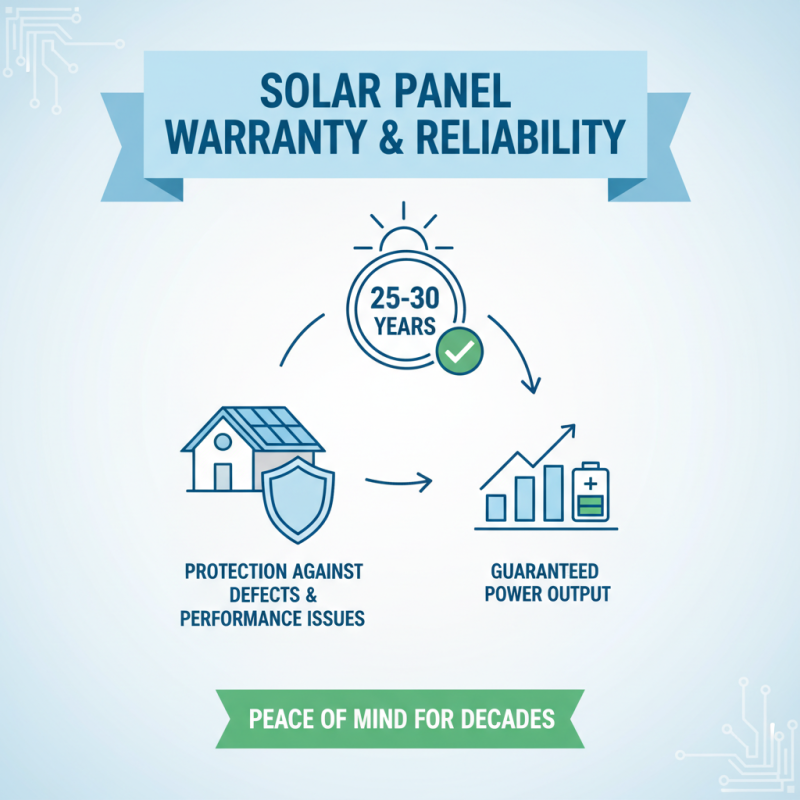
When selecting the right solar module for your home, one of the most critical factors to consider is the warranty and reliability of the solar PV system. According to the Solar Energy Industries Association (SEIA), a well-structured warranty can offer peace of mind and a safeguard against unforeseen manufacturing defects or performance issues. Typically, most reputable solar panel manufacturers provide performance warranties ranging from 25 to 30 years, which cover the expected power output of the modules. This duration is indicative of the company’s confidence in their product's durability.
Reliability is equally important, as it directly affects your return on investment (ROI). A study by the National Renewable Energy Laboratory (NREL) indicates that a 1% decrease in panel efficiency over time can lead to a significant loss in energy production, impacting your savings on electricity bills. Therefore, it is advisable to scrutinize the degradation rates specified in warranty documents. Panels that maintain a higher efficiency for longer periods are typically a better investment, as they ensure consistent energy production and financial performance over decades. To make a sound decision, review manufacturer reputations through independent testing certifications and user reviews, ensuring that you select a reliable solar module that can withstand environmental stress and still perform efficiently throughout its lifespan.