How to Implement Green Solutions with Solar Energy Systems?
In the quest for a sustainable future, the implementation of green solutions solar systems has gained significant attention. Solar energy offers a clean, renewable resource that can help reduce our carbon footprint. While many recognize its potential, the journey to effective integration is often fraught with challenges.
Many installations face common hurdles, such as high initial costs and inadequate infrastructure. Potential users may struggle with understanding the technology and assessing its long-term benefits. It’s crucial to ensure that the transition to solar is both practical and beneficial. Communities need to engage in education and outreach to boost acceptance.
Using green solutions solar means more than just installing panels. It involves developing supportive policies and creating partnerships that extend beyond mere installation. This holistic approach can amplify the positive effects of solar energy, fostering not just energy independence, but also a collective responsibility towards environmental stewardship. Each step, however small, is essential. The path to a greener tomorrow requires imagination, investment, and persistence.
Understanding Solar Energy Systems: Overview and Benefits
Solar energy systems have gained significant attention. They provide a sustainable alternative to traditional energy sources. These systems harness sunlight to generate electricity, reducing carbon emissions. The installation process involves various components like solar panels, inverters, and batteries. Each plays a crucial role in optimizing energy production.
The benefits of solar energy systems are manifold. They can drastically lower electricity bills. Many homeowners notice a reduction of up to 50% in their monthly expenses. Additionally, solar energy systems require minimal maintenance. Regular cleaning of the panels is usually sufficient. However, not everyone can fully benefit from solar energy. Factors like location and shading can impact efficiency.
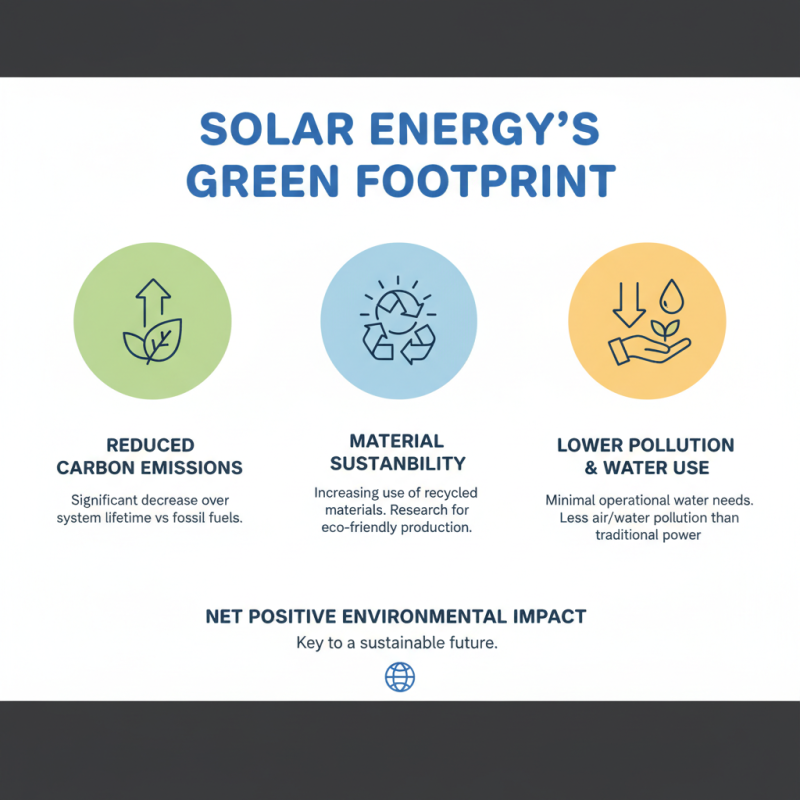
There is a growing recognition of the environmental impact. Solar energy contributes to cleaner air and less pollution. Yet, some remain skeptical due to initial setup costs. Understanding the long-term financial benefits is essential. Many users find it challenging to calculate the return on investment. Evaluating individual energy needs is crucial before making the leap.
Key Components of Solar Energy Systems for Green Solutions
Solar energy systems are vital for implementing green solutions. They harness sunlight to generate power, reducing reliance on fossil fuels. The key components include solar panels, inverters, batteries, and mounting systems. Each part plays a crucial role in creating an efficient system.
Solar panels convert sunlight into electricity. They need to be well-positioned to maximize exposure. Inverters change the electricity from DC to AC. Consider selecting high-quality inverters. Batteries store excess energy for later use. Proper sizing is essential to meet your energy needs.
Tips: Regular maintenance is crucial. Check connections and clean panels to ensure efficiency. Also, evaluate your energy consumption. This helps optimize the system's performance. Remember, it’s a learning process. You may face challenges, but perseverance leads to better solutions. Always reflect on the efficiency and adjustments needed for improvement.
How to Implement Green Solutions with Solar Energy Systems? - Key Components of Solar Energy Systems for Green Solutions
| Component |
Description |
Importance for Green Solutions |
| Solar Panels |
Devices that convert sunlight into electricity. |
Reduce reliance on fossil fuels and decrease carbon footprint. |
| Inverters |
Convert direct current (DC) from solar panels into alternating current (AC) for home use. |
Facilitate the use of generated solar energy efficiently. |
| Battery Storage |
Store excess solar energy for later use. |
Ensure energy availability during non-sunny periods and contribute to energy independence. |
| Charge Controllers |
Regulate voltage and current coming from solar panels to prevent overcharging batteries. |
Protect equipment and enhance system efficiency. |
| Mounting Systems |
Support structures for solar panels to optimize their exposure to sunlight. |
Maximize energy capture and utilization. |
Evaluating Solar Energy Efficiency: Industry Data and Trends
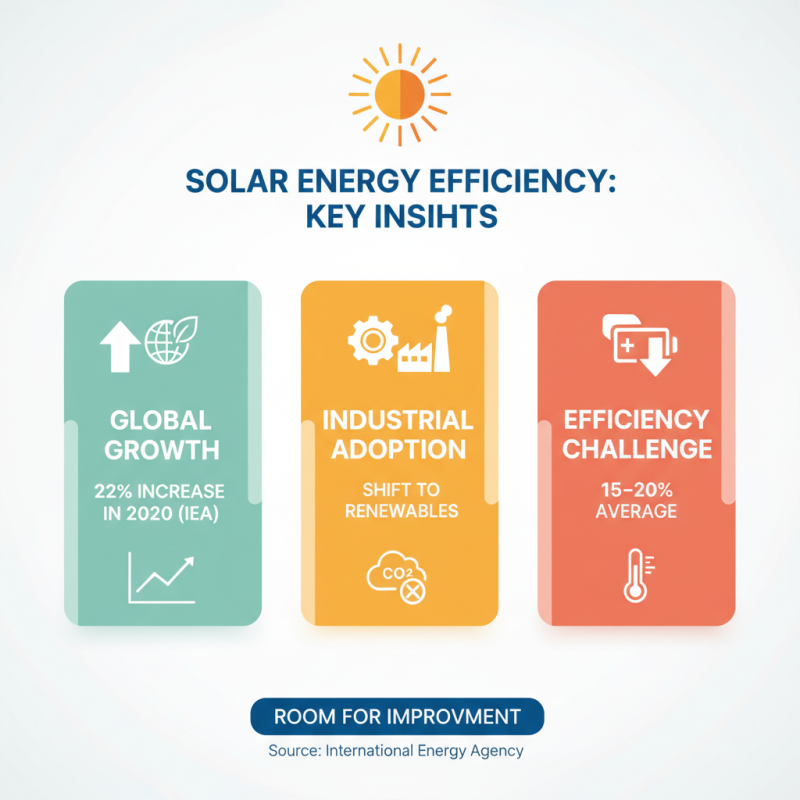
The evaluation of solar energy efficiency reveals significant insights into its adoption across industries. According to the International Energy Agency, global solar power generation grew by 22% in 2020 alone. This rise reflects a shift towards renewable resources amid growing environmental concerns. However, efficiency remains a critical issue. Many systems operate at only 15-20% efficiency, leaving room for improvement.
Data from the National Renewable Energy Laboratory (NREL) shows that residential solar panels can achieve up to 22% efficiency under optimal conditions. Yet, real-world performance often falls short. Affected by factors like installation angle and local climate, performance can vary. The trend indicates an increasing focus on innovative technologies to boost these numbers. Yet, not all solutions meet expectations.
Emerging solar technologies, such as bifacial panels, promise higher efficiency rates. They capture sunlight from both sides, potentially increasing output. But reliable data is still limited. Some installations have underperformed, raising questions about cost-effectiveness. As industries evaluate these solutions, a balanced approach is crucial. Evaluating efficiency in real-world scenarios can guide better decision-making. The challenge lies in turning data into actionable improvements.
Integrating Solar Energy Systems into Existing Infrastructure
Integrating solar energy systems into existing infrastructure is both an opportunity and a challenge. Many cities are exploring retrofitting buildings with solar panels. As per the Solar Energy Industries Association, the U.S. solar capacity exceeded 100 GW in 2023. This marks a significant step for renewable energy adoption, but integration remains complex. Many structures may not be designed for such technology. Assessing roof durability is crucial.
To optimize integration, it is essential to evaluate energy needs first. Some buildings require more energy than solar systems can provide. GIS mapping can help identify potential rooftop spaces for solar panels. According to a study by the National Renewable Energy Laboratory, about 80% of rooftops are viable for solar. However, not every installation meets local regulations or building codes. Collaboration with city planners is vital.
Maintaining existing infrastructure while incorporating solar can lead to conflicts. Space constraints may hinder effective installations. For instance, shading from nearby trees or buildings can reduce efficiency. Addressing these issues early can improve long-term performance. However, there’s a learning curve. Not all stakeholders understand the technology or its benefits. Education and outreach can bridge these gaps.
Implementation of Solar Energy Solutions