What is Mobile Energy Backup and How Can It Benefit You?
In recent years, Mobile Energy Backup has emerged as a vital component in energy management. According to a report by the International Energy Agency, global energy demand is expected to grow by 30% by 2040. This surge emphasizes the need for reliable backup options. Mobile Energy Backup solutions can help bridge gaps during power outages or surges, ensuring uninterrupted service.
These systems offer flexibility and are designed for various applications, from outdoor events to emergency response scenarios. A study by MarketsandMarkets predicts this market will reach $3 billion by 2025, reflecting increased acceptance and reliance on portable energy solutions. However, there are challenges, including cost and technology integration, that warrant consideration for potential users.
As we navigate the evolving energy landscape, understanding the role of Mobile Energy Backup is essential. It not only addresses immediate energy needs but also supports long-term sustainability goals. While the technology is advancing, stakeholders must remain aware of best practices and ongoing developments in this space.
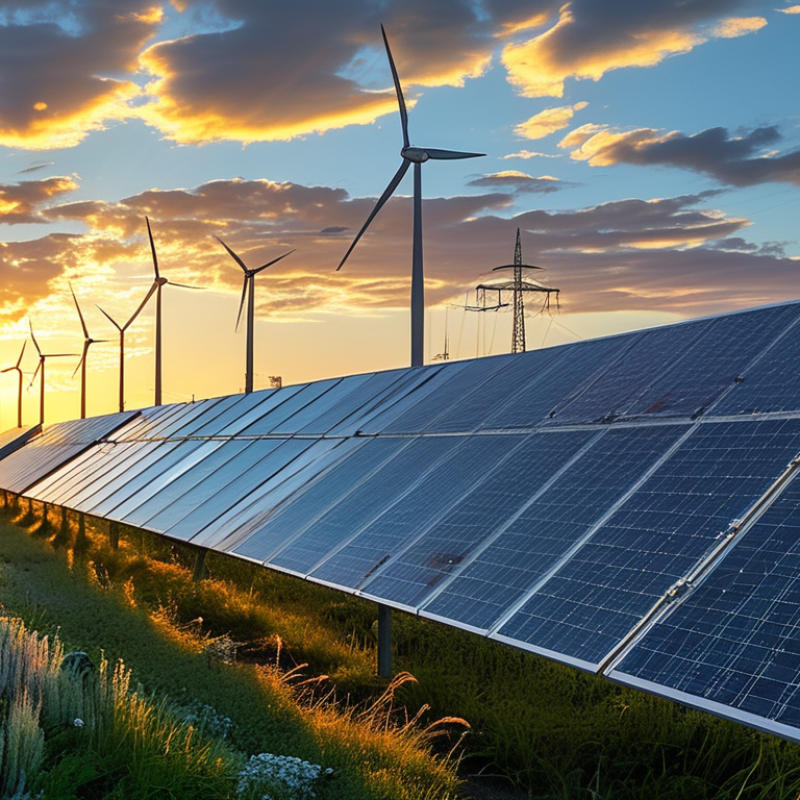
Understanding Mobile Energy Backup: Definition and Purpose
Mobile energy backup refers to portable power solutions designed to provide electricity during outages or when traditional electricity sources are unavailable. These units can take many forms, from compact battery packs to larger generators. The primary purpose is to ensure continuous power supply for essential devices like phones, medical equipment, and appliances. This capability can be crucial during emergencies or outdoors, where access to electricity is limited.
The benefits of mobile energy backup are evident in various scenarios. In remote areas, it powers tools and equipment, enabling work to continue without interruptions. During storms or unexpected outages, families can keep refrigerators running, preventing food spoilage. These devices are also beneficial for recreational activities such as camping or tailgating, ensuring access to light and electronic comforts. However, potential downsides include the need for regular maintenance and the occasional dilemma of energy capacity versus device reliance. It is essential to choose a power solution that aligns with specific needs to avoid frustration later on.
Key Features of Mobile Energy Backup Systems
Mobile energy backup systems have emerged as reliable solutions for power outages and off-grid situations. These systems are portable and can provide electricity to essential devices when traditional power sources fail. They come equipped with various features that enhance their usability and efficiency.
One key feature is their capacity to charge multiple devices simultaneously. This allows users to keep their phones, laptops, and other electronics powered up during emergencies. Many systems also include solar charging options, promoting renewable energy use. This can be especially useful for outdoor enthusiasts or those living in remote areas. However, users should consider the initial investment and the overall lifespan of the system. It’s vital to choose a system that meets specific needs without overspending.
Another important aspect is their weight and portability. Some systems are lightweight and easy to carry, while others may be bulkier but offer higher power output. Not all units provide the same level of reliability. Users have reported variable performance, especially in extreme temperatures. This indicates the need for thorough research before making a decision. It’s essential to balance size, weight, capacity, and reliability for optimal performance.
Advantages of Using Mobile Energy Backup in Daily Life
Mobile energy backup systems offer numerous advantages in our daily lives. They ensure you have power when traditional sources fail. Imagine a sudden blackout at home while working on a crucial project. A mobile energy backup can keep your devices charged and your work uninterrupted. This convenience is invaluable, especially for remote workers or students.
Using mobile energy backups adds an extra layer of security. You might enjoy weekend camping trips or outdoor activities, where access to electricity is limited. A portable power solution can run lights, charge phones, or even power small appliances. This flexibility enhances your outdoor experience and ensures safety and comfort.
There are challenges to consider. Battery life and capacity may limit prolonged use. Learning how to optimize your energy consumption can be an essential skill. Understanding the limitations can lead to a more efficient and satisfying experience. Embracing mobile energy backups opens new possibilities and encourages a more prepared lifestyle.
Applications of Mobile Energy Backup in Various Industries
Mobile energy backup systems are increasingly vital across various industries. These systems offer reliable power solutions during outages, reducing downtime and operational losses. A report from the Energy Storage Association indicates that the global energy storage market is projected to exceed $100 billion by 2025. As industries adapt to this shift, they become more resilient.
In construction, mobile energy backup can power equipment without reliance on the grid. This flexibility not only enhances site productivity but also lowers fuel costs. A study by McKinsey reveals that construction projects utilizing mobile energy solutions saw a 15% increase in efficiency. In the healthcare sector, these systems ensure that critical equipment remains operational during power failures, safeguarding patient care.
In agriculture, mobile energy backup supports irrigation systems and livestock operations. Farmers have reported improved yield due to reliable power sources for their operations. However, finding a balance between initial investment and long-term savings can be challenging. It’s crucial to assess your specific energy needs before making a decision.
Reflecting on the increasing dependence on mobile energy, industries must prioritize a strategic approach. Not every solution may suit every operation. Regular evaluations can help identify what works best for your needs and operations.
Applications of Mobile Energy Backup in Various Industries
Considerations When Choosing a Mobile Energy Backup Solution
When choosing a mobile energy backup solution, consider your power needs. Calculate the total wattage of devices you wish to support. This assessment will guide you in selecting the appropriate capacity. Some solutions are designed for small electronics, while others can power larger appliances.
Portability is another key factor. Ensure the device is lightweight and easy to transport. This feature is vital for outdoor activities or emergencies. Although larger units may offer more power, they can be cumbersome. Some users overlook this aspect and find themselves struggling to carry heavy units.
Lastly, evaluate battery lifespan and charging options. A good mobile energy backup should recharge quickly and last long during use. Lithium-ion batteries are popular for their efficiency. Still, they have limitations like temperature sensitivity. Researching different technologies can help identify potential shortcomings. This way, you can make a well-informed choice that meets your expectations.