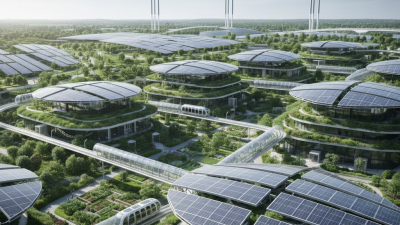
Solar power begins with something ordinary: sunlight striking a rooftop, field, or balcony panel. Inside photovoltaic cells, light energy releases electrons and creates direct-current electricity. An inverter then changes it into alternating current for household appliances, such as a refrigerator, lamp, or computer. The process produces electricity without burning fuel at the point of generation.
Energy researcher Amory Lovins has said, “A kilowatt-hour saved is a kilowatt-hour not generated.” That idea matters here. Efficient buildings can use more of their solar power instead of wasting it. Batteries may store extra electricity for evening use, while grid connections provide support during cloudy periods. Solar thermal systems work differently. They capture sunlight as heat, often warming water or another fluid.
The technology is powerful, but it is not effortless. Panels need suitable light, clean surfaces, safe wiring, and realistic maintenance planning. Output changes with clouds, seasons, shade, and roof direction. A bright winter morning can still produce less electricity than a mild summer afternoon. I have seen how a narrow shadow from a chimney can reduce a panel’s performance, although the exact effect depends on system design.
This guide explains what solar power is, how its main technologies operate, and where their limits appear. It also asks a less comfortable question: is a system truly sustainable if its materials, installation, and end-of-life management are ignored? Reliable decisions require more than enthusiasm. They require measured energy use, qualified installers, accurate production estimates, and honest attention to local conditions.
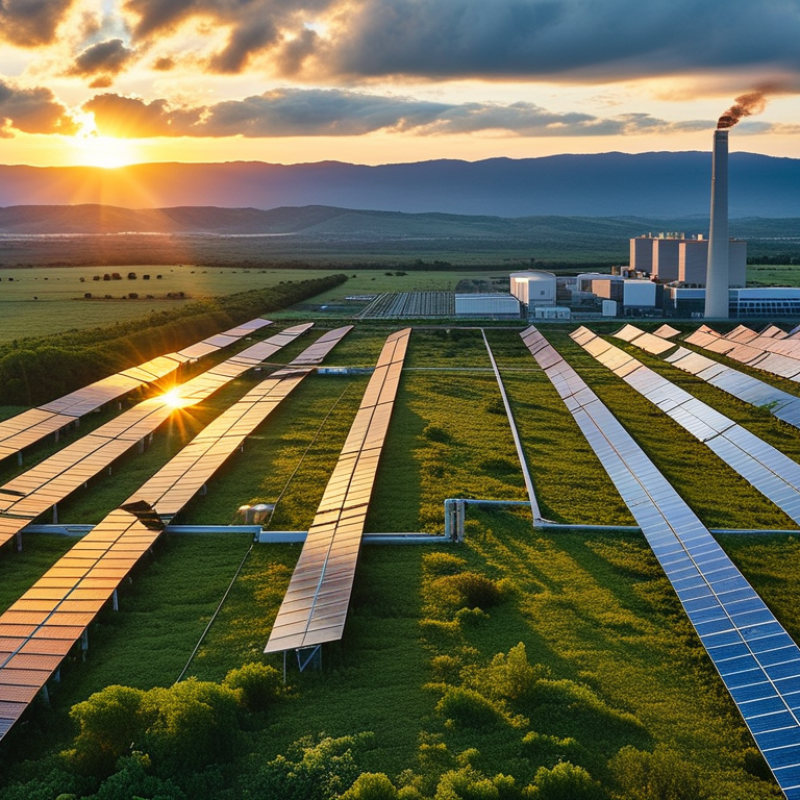
Solar power is energy from sunlight, which begins deep inside the Sun. Nuclear fusion joins hydrogen atoms and releases light and heat. Those photons travel about 150 million kilometres before reaching Earth. Solar radiation warms land, drives winds, and supports plant growth. It also provides a direct energy source for human systems.
Photovoltaic cells absorb photons and release electrons, creating direct current. An inverter changes that current into electricity for buildings or grids. Solar-thermal systems use mirrors or collectors to concentrate sunlight and produce heat. According to the International Energy Agency’s Renewables 2024 report, solar photovoltaic capacity expanded by about 425 gigawatts in 2023. The International Renewable Energy Agency recorded roughly 1,419 gigawatts of global solar capacity by the end of that year. The scale is impressive.
Yet sunlight is uneven. Clouds, seasons, latitude, and nighttime reduce output. Batteries and flexible grids can help, but they add material use, cost, and maintenance. The National Renewable Energy Laboratory notes that equipment performance depends strongly on local solar resources and system design. A sunny roof is not automatically a good project. Shading from one nearby tree can matter. So can dust. These practical details are easy to underestimate.
Solar panels convert sunlight into electricity through the photovoltaic effect. Each panel contains many photovoltaic cells, commonly made with silicon. When sunlight reaches a cell, its energy disturbs electrons inside the material. These moving electrons create direct current electricity.
It starts quietly.
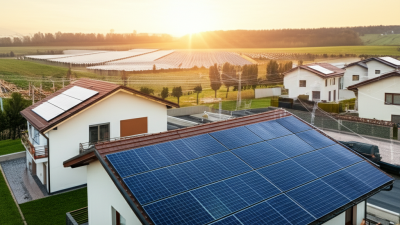
Wires carry this current to an inverter, which changes it into alternating current for household appliances. A meter can then measure electricity used or sent to the grid. In practical installations, panel angle, shading, dust, and temperature affect performance. Even a small shadow from a chimney can reduce output across connected cells.
Cooler panels often work more efficiently, although bright sunlight remains essential. A qualified installer checks the roof structure, electrical connections, and local requirements before commissioning the system.
This explanation is simplified. Real systems are less tidy, and daily production rarely matches a prediction perfectly.
Tips:
Keep panels clear of leaves and heavy dust. Watch for new shadows as nearby trees grow. Compare monthly energy readings rather than judging performance from one cloudy day. Ask for documented testing after installation. A simple inspection can reveal loose wiring, damaged glass, or an inverter warning before energy losses become obvious.
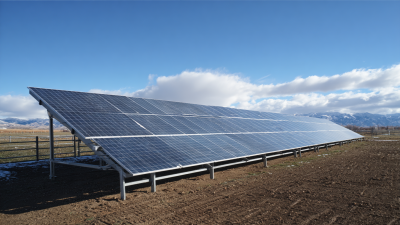
Solar power begins when photovoltaic cells absorb sunlight and release electrical energy. Several cells form a panel, while multiple panels create an array. The panels usually sit on roof-mounted rails or a ground structure. These supports must resist wind, rain, and seasonal movement. A clear south-facing roof can help, but roof direction alone does not decide performance. Shade from chimneys, trees, or nearby buildings can reduce output sharply. Clouds still matter.
The panels produce direct current, or DC electricity. Most homes use alternating current, so an inverter changes DC into usable AC power. This is the system’s control center. It also monitors voltage, frequency, and basic operating faults. A combiner box may collect power from several panel strings. Disconnect switches allow trained workers to isolate equipment during maintenance. Proper grounding and protective devices reduce electrical risks, especially during storms. These details are easy to overlook.
Some systems include batteries, which store extra electricity for nighttime use or outages. A battery management system watches temperature, charge levels, and safe operating limits. Grid-connected systems may send surplus power to the utility network, depending on local rules. Monitoring equipment displays production and warns about unusual drops. In practice, a system rarely performs exactly as a brochure predicts. Dust, high temperatures, aging parts, and partial shade all change results. A careful site assessment often matters more than adding another panel. I have found that simple layouts are easier to inspect and repair, although compact designs can save valuable space.
Solar power begins when photovoltaic cells convert sunlight into direct-current electricity. An inverter changes it into alternating current for homes and the wider grid. The timing creates a practical challenge. Solar production often peaks around noon, while households use more electricity after sunset.
Energy storage helps narrow that gap. Battery systems charge when solar panels produce more electricity than nearby users need. After dusk, stored energy passes through an inverter and supplies lights, appliances, or electric equipment. A battery monitor tracks charge levels, temperature, and output. Safety controls can disconnect the system during faults. Larger facilities may also use pumped-water storage, where surplus electricity moves water uphill for later generation.
Distribution depends on local demand and grid conditions. Electricity can flow directly to a building, into neighborhood lines, or toward distant users through higher-voltage networks. Grid operators balance changing sunlight, weather, and consumption every few seconds. They may combine solar with wind, flexible power plants, storage, and demand-response programs. This coordination reduces pressure on transmission lines.
The system is not perfectly efficient. Some energy becomes heat during conversion, and batteries lose capacity over time. Cloud cover can change output within minutes. It is easy to overstate solar reliability. Careful forecasting and maintenance still matter. A well-designed project records these losses instead of hiding them, then adjusts storage size, backup supply, and distribution plans accordingly.
Solar power converts sunlight into electricity or heat. Photovoltaic cells release electrons when light strikes semiconductor layers. Inverters then change direct current into usable alternating current. Solar thermal collectors instead warm water or another fluid. A rooftop array can power lights, pumps, refrigeration, and evening loads through batteries. Large solar farms feed electricity into regional grids. Remote clinics and irrigation systems also use smaller systems.
The scale is no longer marginal. IRENA’s Renewable Capacity Statistics 2024 recorded 1,419 GW of global solar capacity at the end of 2023. Solar provided most new renewable capacity added that year. The IEA’s Renewables 2024 report expects renewable capacity additions of 5,500 GW between 2024 and 2030. Costs can be predictable after installation, and sunlight creates no combustion emissions during operation. Panels may also shade parking areas and reduce daytime building demand. These benefits vary by site.
Limitations remain practical. Solar output falls under clouds and stops after sunset. Batteries, flexible demand, or grid connections support reliability. Land use, permitting, transmission, and mineral supply can slow projects. Dust is easy to overlook, but it reduces yield and requires cleaning. Performance depends on roof direction, weather, and shading. A high sunlight figure does not guarantee cheap power. That assumption needs testing. IRENA separates installed capacity from actual generation in its statistics. Recycling is improving, yet end-of-life collection remains uneven. Solar is powerful, but it is not effortless.
| Dimension | Key Information | Practical Importance |
|---|---|---|
| Definition | Solar power is energy obtained from sunlight and converted into electricity or heat. | It is a renewable energy resource because sunlight is naturally replenished. |
| Main Technologies | The two main technologies are solar photovoltaic (PV) systems and concentrating solar-thermal power (CSP) systems. | PV systems produce electricity directly, while CSP systems use mirrors to concentrate sunlight and generate heat for electricity production. |
| How Solar PV Works | Photovoltaic cells absorb photons from sunlight, causing electrons to move and creating direct-current electricity. An inverter converts it into alternating-current electricity for most buildings and electrical grids. | PV systems can supply electricity for homes, businesses, public facilities, and remote equipment. |
| How Solar Thermal Works | Solar thermal collectors capture sunlight as heat. The heat can warm water or indoor spaces, while CSP plants can use heated fluids to produce steam and drive a turbine. | Solar thermal systems are useful for water heating, space heating, and large-scale electricity generation. |
| Typical PV Module Efficiency | Common commercially available PV modules typically convert about 15% to 23% of incoming sunlight into electricity, depending on technology and conditions. | Higher efficiency can produce more electricity from the same roof or land area. |
| Electricity Output | Output varies with sunlight intensity, system size, orientation, shading, temperature, weather, and equipment condition. | Solar generation is generally highest during sunny daytime hours and lower during cloudy periods. |
| Energy Storage | Batteries can store excess electricity for use when solar production is low, such as at night or during outages. | Storage can improve energy availability but adds cost, maintenance requirements, and material demand. |
| Residential Uses | Common applications include rooftop electricity generation, solar water heating, battery charging, and backup power. | Households can reduce purchases of grid electricity and increase energy independence. |
| Commercial and Industrial Uses | Solar systems can power offices, factories, warehouses, farms, water-pumping equipment, and heating processes. | Large systems can offset daytime electricity demand and make use of rooftops, parking areas, or available land. |
| Off-Grid Applications | Solar power is used for telecommunications equipment, traffic signals, rural lighting, navigation devices, water pumps, and remote monitoring systems. | It can provide electricity in locations where extending a conventional power line is difficult or expensive. |
| Environmental Benefits | Solar electricity generation produces no direct air pollution or operational carbon emissions at the point of generation. | It can help reduce greenhouse-gas emissions and dependence on fossil-fuel combustion when replacing higher-emission generation. |
| Operating Costs | After installation, PV systems generally have relatively low operating and maintenance costs because they have no fuel requirement and few moving parts. | Long-term operating expenses can be more predictable than fuel-based generation costs. |
| System Lifetime | Many PV modules are designed to operate for approximately 25 to 30 years or longer, although performance gradually declines over time. | A long service life allows the initial installation cost to be spread across many years of electricity production. |
| Intermittency | Solar generation stops at night and can decrease because of clouds, storms, dust, snow, or shading. | Reliable electricity supply may require energy storage, demand management, grid connections, or other generation sources. |
| Space Requirements | Solar projects require suitable roof or land area, clear sunlight exposure, and appropriate structural or electrical conditions. | Limited roof space, shading, or competing land uses can restrict system size and output. |
| Initial Investment | Upfront expenses may include equipment, design, installation, electrical upgrades, permitting, and optional battery storage. | Although lifetime costs may be competitive, the initial capital requirement can be a barrier for some users. |
| Resource and Recycling Considerations | Manufacturing requires materials, energy, and industrial processes. At the end of their service life, panels and batteries require proper collection and recycling or disposal. | Responsible material sourcing, product design, reuse, and recycling can reduce the environmental impacts of the full life cycle. |