Top 10 Fast Charger DC Solutions for Global Buyers?
In today's fast-paced world, the demand for efficient charging solutions is at an all-time high. Fast Charger Dc technology is leading the way, enabling quick and reliable power delivery for various applications. Buyers across the globe seek products that not only charge swiftly but also ensure safety and longevity.
The myriad of options can be overwhelming. Various brands and models offer distinct features and specifications. It is crucial to choose the right solution for specific needs. Reliability and expertise in Fast Charger DC technology can significantly influence purchasing decisions. Many buyers often overlook critical factors like compatibility and charging speed.
As we explore the top 10 Fast Charger DC solutions, we aim to provide valuable insights. Each product will be analyzed for its performance, usability, and overall worth. It's important to acknowledge that no single solution may fit all. Buyers must reflect on their unique requirements to find the optimal fit.
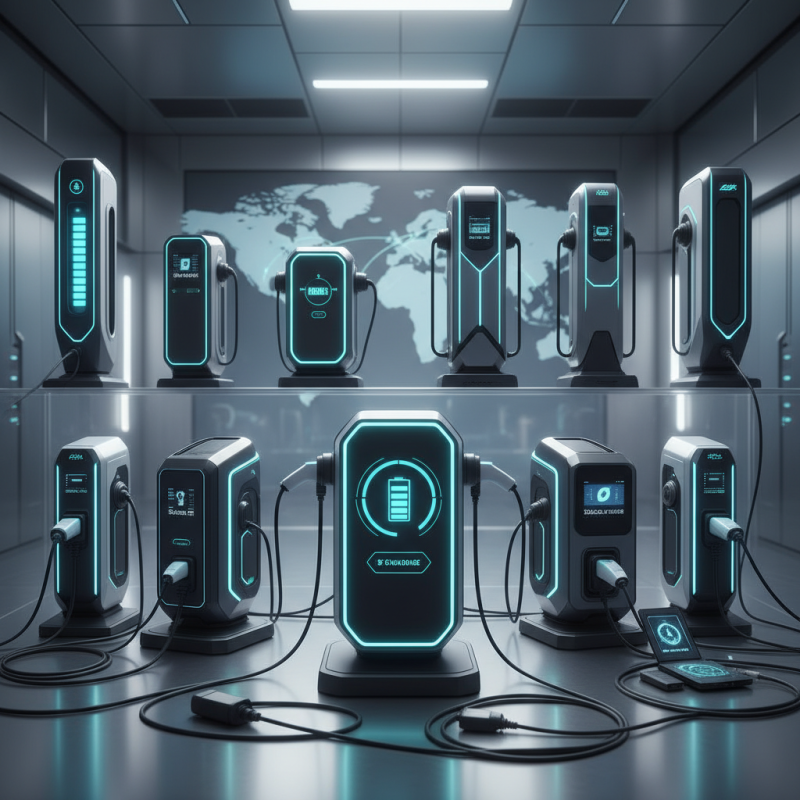
Overview of Fast Charger DC Solutions for Global Markets
The demand for fast charger DC solutions is steadily increasing in global markets. According to a report by Statista, the electric vehicle (EV) market is expected to grow significantly, with projections indicating over 26 million unit sales by 2030. This rise creates an urgent need for efficient fast charging solutions across various infrastructures.
Fast charger DC technology facilitates rapid vehicle charging, reducing wait times significantly. The International Energy Agency highlights that high-speed charging stations can provide an 80% charge in about 30 minutes. However, installation costs and infrastructure readiness remain challenges. Many locations lack adequate power supply or space for these chargers. Buyers must consider these factors carefully.
Tips: When selecting a solution, assess local electrical grids. Check compatibility with existing systems. Always prioritize future-proof technologies to stay ahead of market shifts. Researching regional regulations is crucial too. As more cities aim to become carbon-neutral, understanding local guidelines will be essential in expanding charging networks.
Key Technologies Used in Fast Charger DC Solutions
Fast charging DC solutions are transforming the electric vehicle landscape. They rely on several key technologies to enhance efficiency. One of these is the use of high-power direct current. This allows for faster charging times compared to traditional AC solutions. As a result, electric vehicles can gain significant range in just a short period.
Another important technology is smart charging. This system optimizes the charging process. It adjusts power delivery based on battery status and environmental conditions. This not only improves efficiency but also extends battery life. Additionally, advanced cooling systems are crucial. They manage heat generated during rapid charging. Proper thermal management prevents overheating and enhances reliability.
Despite these advancements, challenges remain. Not all infrastructure supports high-speed charging. Interoperability issues can arise among different systems. Furthermore, the cost of deployment can be high. Buyers must consider local regulations and market dynamics. As the demand for fast charging solutions grows, ongoing innovation is essential.
Criteria for Selecting Fast Charger Solutions for Buyers
When selecting fast charger solutions, buyers must consider various criteria. Efficiency is key. Chargers with higher power output reduce charging time significantly. Look for solutions that support multiple voltage and current levels. This compatibility ensures versatility across different devices.
Tips: Investigate the charging speed specifications. Not all chargers claim the same efficiency. Real-world performance can vary.
Another important aspect is safety. Fast charging can generate heat, which can be harmful. Select chargers equipped with overcurrent and overvoltage protection mechanisms. They help prevent damage and enhance longevity.
Tips: Test chargers in different environments. Charging speeds may differ based on temperature and humidity conditions.
Lastly, consider the ease of use. User-friendly interfaces and clear signage make a charger more accessible. This is crucial for installations in public spaces or commercial areas.
Tips: Read user reviews. They provide insights on usability and reliability that specifications might not cover.
Top 10 Fast Charger DC Solutions: Features and Benefits
In today’s fast-paced world, rapid charging is crucial for electric vehicle users. The latest fast charger DC solutions offer various features that enhance user experience. High efficiency is a key benefit. These chargers can significantly reduce charging time, making them ideal for busy users. Advanced safety features ensure reliable operation and protect both the charger and the vehicle.
Consider the charging capacity. Solutions range from 50 kW to over 350 kW. This variety allows buyers to select a charger that matches their needs. Features like smart charging help optimize energy use. They adjust the charging rate based on the vehicle's battery condition. This capability can extend battery life.
Tips: Always check compatibility with various electric vehicle models. Understanding local regulations on installation can prevent headaches later. Investing in high-quality connectors is also wise. They ensure better performance and longevity of your charging solution. Not every solution will fit all situations, and assessing your requirements is essential. Reflecting on your choices will lead to better long-term satisfaction.
Top 10 Fast Charger DC Solutions for Global Buyers
| Rank | Charging Power (kW) | Input Voltage (V) | Output Connector Type | Compatibility | Key Feature |
| 1 | 150 | 400 | CCS2 | All EVs | High efficiency and compact design |
| 2 | 100 | 480 | CHAdeMO | Nissan, Mitsubishi | Fast charging capability |
| 3 | 75 | 380 | CCS1 | Ford, BMW | User-friendly interface |
| 4 | 50 | 350 | Type 2 | Volkswagen, Audi | Durability in harsh environments |
| 5 | 300 | 480 | CCS2 | All Fast-Charging EVs | Cloud connectivity |
| 6 | 120 | 400 | CHAdeMO | Toyota, Honda | Multi-vehicle capability |
| 7 | 90 | 360 | Type 2 | Renault, Peugeot | Compact and portable |
| 8 | 200 | 480 | CCS2 | Tesla, Audi | Adaptive charging |
| 9 | 60 | 380 | Type 2 | BMW, Fiat | Cost-effective solution |
| 10 | 110 | 400 | CHAdeMO | Subaru, Nissan | Safety features included |
Market Trends and Future Outlook for Fast Chargers
The fast charger market is rapidly evolving. According to a recent industry report, the global demand for DC fast chargers is projected to grow by 30% annually through 2028. This growth stems from increasing electric vehicle (EV) adoption and the need for efficient charging solutions. A notable statistic reveals that, by 2025, over 30% of EV drivers will rely on fast chargers for their daily needs.
Current market trends indicate a shift towards installing more public charging stations. Urban areas are particularly encouraging this change. Yet, challenges persist. Limited infrastructure and high upfront costs deter some prospective buyers. In addition, varying standards across regions complicate the integration of chargers. Designed solutions must accommodate diverse vehicle types and charging speeds.
As the market matures, technological advancements will significantly shape its future. Emerging solutions focus on improving charging efficiency and reducing costs. For instance, ultra-fast charging technology promises to cut charging time significantly, appealing to time-conscious consumers. However, ensuring adequate energy supply remains a critical issue. Stakeholders must continue to evaluate capacity and sustainability to foster a reliable charging ecosystem that meets growing demands.