What Are the Top Sustainable Energy Solutions in China?
China’s energy transition is too large to be explained by one technology. This guide explores the sustainable energy solutions shaping the country’s power system, from vast solar parks in Qinghai to offshore wind turbines along the eastern coast. It also considers hydropower, energy storage, modern transmission lines, and emerging green hydrogen projects. The scale is striking. So are the practical challenges.
Francesco La Camera, Director-General of the International Renewable Energy Agency, has said, “Renewable power generation is currently the cheapest source of new electricity generation in most parts of the world.” That broader observation helps frame China’s rapid expansion of wind and solar, while not suggesting that every project is equally affordable or suitable. Costs vary by location, and clean electricity still needs reliable connections to homes, factories, and cities. A solar farm cannot help much if its power cannot reach demand.
The sections ahead compare the main technologies, their benefits, and their limits. They look at how storage can balance changing supply, and how grid upgrades can reduce wasted renewable power. They also consider investment, land use, and the environmental effects of construction. Not every answer is settled. China’s progress is substantial, but coal remains part of its energy mix, and the transition involves trade-offs that deserve scrutiny. A clear picture needs both ambition and doubt.
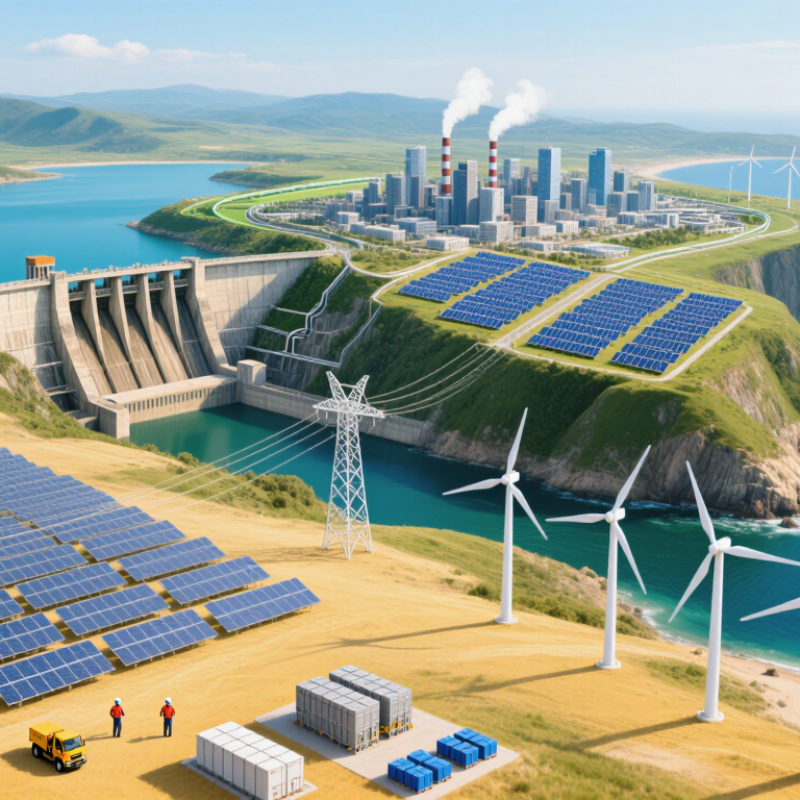
China’s Sustainable Energy Landscape and Key Development Goals
China’s sustainable energy landscape is shaped by scale and geography. Sun-rich western provinces host vast solar fields, while windy northern regions support large wind projects. Hydropower remains important in the southwest, though river ecosystems and local communities require careful consideration. Rooftop panels, batteries, and smarter power grids help bring renewable electricity closer to homes and factories.
The national direction is clear: peak carbon emissions before 2030 and achieve carbon neutrality before 2060. China also aims to raise non-fossil energy’s share and expand wind and solar capacity. These goals depend on more than building turbines and panels. Transmission lines must carry power across long distances, and storage must help balance supply when sunlight fades or winds drop. It is a complex system.
Progress is visible, but uneven. A factory may have clean power nearby and still rely on coal when the grid is strained. That gap matters. Better efficiency in buildings, transport, and industry can reduce pressure on new generation. Yet no single solution fits every province, and rapid construction can create land-use concerns. The transition needs reliable data, transparent planning, and room to revise decisions when results fall short.
Solar Power: Utility-Scale Farms and Distributed Generation
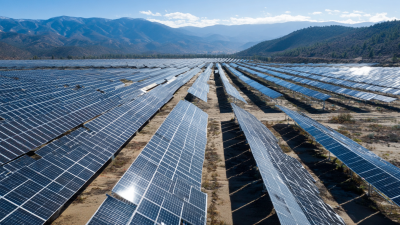
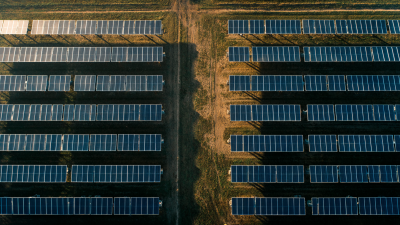
China’s solar expansion has two distinct faces: vast utility-scale farms and smaller systems fitted to rooftops. In western regions, open land and strong sunlight can support large installations. Rows of panels stretch across dry landscapes, where access roads and substations connect projects to the wider grid.
Scale helps, but it does not solve everything. Electricity may be generated far from coastal demand, so transmission capacity matters. Storage can shift some power into evening hours, though it adds cost and requires careful planning. Dust, snow, and extreme heat can also reduce output. Solar looks simple from a distance. It isn’t.
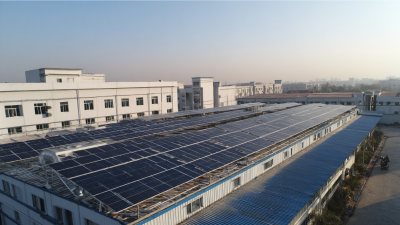
Distributed generation brings panels closer to users. Factory roofs, warehouses, and public buildings can produce electricity near daytime demand. This may ease pressure on local networks and make good use of existing surfaces. Yet rooftop projects depend on roof strength, wiring, maintenance, and clear agreements about who uses the power. A roof can be crowded, shaded, or due for repairs—details that neat projections sometimes overlook.
The strongest approach is not necessarily the largest one. Utility farms need thoughtful siting and reliable grid links; distributed systems need practical engineering and ongoing care. China’s solar growth will depend on matching each project to local conditions, while being honest about what panels alone cannot provide.
Wind Power: Onshore and Offshore Systems
China’s wind power includes large onshore projects across northern and western regions, as well as offshore farms along its eastern coast. Onshore turbines can be built across broad plains and windy ridges, where roads allow crews to reach equipment for routine repairs. Their output can support nearby communities and industry, but strong winds do not always arrive when electricity demand peaks.
Distance matters. Some wind-rich areas are far from major cities, so transmission lines and grid planning are essential. Without enough capacity to move electricity, available power may go unused. Local terrain also affects turbine placement: a site that looks ideal on a map may have access, wildlife, or community concerns that require closer study.
Offshore systems can capture steadier coastal winds, using foundations or floating platforms suited to local water depth and seabed conditions. Salt spray, storms, and difficult marine access make maintenance more demanding than on land. Crews may need to wait for safe weather before reaching a turbine. That delay is real. Offshore development also calls for careful assessment of fishing activity and marine habitats. China’s long coastline offers substantial potential, but no single design fits every coast. Project assessments can miss changing ecological conditions, so monitoring needs to continue after construction begins.
Hydropower and Energy Storage for a Flexible Grid
What Are the Top Sustainable Energy Solutions in China?
Hydropower and Energy Storage for a Flexible Grid
China’s hydropower stations can provide more than low-carbon electricity. Operators can adjust generation as demand shifts, helping balance wind and solar output when clouds pass or evening use rises. This flexibility matters. A reservoir is not a limitless battery, though; water levels, seasonal rainfall, and downstream needs all constrain its use.
Pumped-storage plants move water uphill when electricity is plentiful, then release it through turbines during periods of higher demand. Picture a quiet upper reservoir filling overnight, then sending water down through a tunnel at dusk. The system can respond quickly, but it also consumes electricity and requires suitable terrain, long construction timelines, and careful ecological assessment. Transmission capacity matters too: stored power is less useful if it cannot reach the region that needs it. I may be giving storage too much credit here. Grid upgrades and better forecasting are also essential, and neither is as visible as a new dam. A more flexible grid will depend on coordinating reservoirs, storage plants, and variable renewable generators—not simply building more capacity.
What Are the Top Sustainable Energy Solutions in China? — Hydropower and Energy Storage for a Flexible Grid
| Solution |
China data point |
Grid flexibility role |
Best-fit use and consideration |
| Reservoir hydropower |
China had approximately 421 GW of installed hydropower capacity at the end of 2023. |
Reservoirs can store water and adjust electricity output, helping meet changing demand and balance variable wind and solar generation. |
Useful for dispatchable, low-carbon electricity where reservoir conditions allow. Output is affected by water availability, seasonal patterns and ecological requirements. |
| Pumped-storage hydropower |
Installed capacity was about 51 GW at the end of 2023. China’s national planning target is 120 GW by 2030. |
Pumps water uphill when electricity is available and releases it through turbines when power is needed, providing large-scale storage and balancing. |
Well suited to shifting electricity across hours and supporting system reserves. Projects require suitable sites, substantial construction and transmission connections. |
| New-type energy storage |
At the end of 2023, installed capacity was 31.39 GW and energy capacity was 66.87 GWh; the reported average duration was about 2.1 hours. |
Fast-response storage can help balance short-term fluctuations, provide ancillary services and shift some renewable electricity to higher-demand periods. |
Useful for rapid response and shorter-duration balancing. Performance and economics depend on duration, cycling, location and system design. |
| Wind and solar paired with storage |
Combined wind and solar capacity was approximately 1,051 GW at the end of 2023, based on national installed-capacity figures. |
Co-located storage can smooth output and shift part of generation to periods when grid demand or network capacity is higher. |
Most effective when charging and dispatch are coordinated with grid conditions. Storage complements transmission and flexible generation; it does not remove the need for them. |
| Coordinated hydro–storage operation |
This is an operating approach rather than a separate national capacity category; it combines existing hydropower, pumped storage and other storage resources. |
Coordinated dispatch can use fast-response storage for short fluctuations and hydropower or pumped storage for longer balancing needs. |
Requires reliable forecasting, grid coordination and operating rules that account for water use, storage limits and transmission constraints. |
|
Sources: China National Energy Administration (NEA), 2023 national power industry statistics; NEA, 2023 new-type energy storage development information; NEA pumped-storage development planning. Capacity figures are rounded where indicated and refer to installed capacity, not annual electricity generation.
|