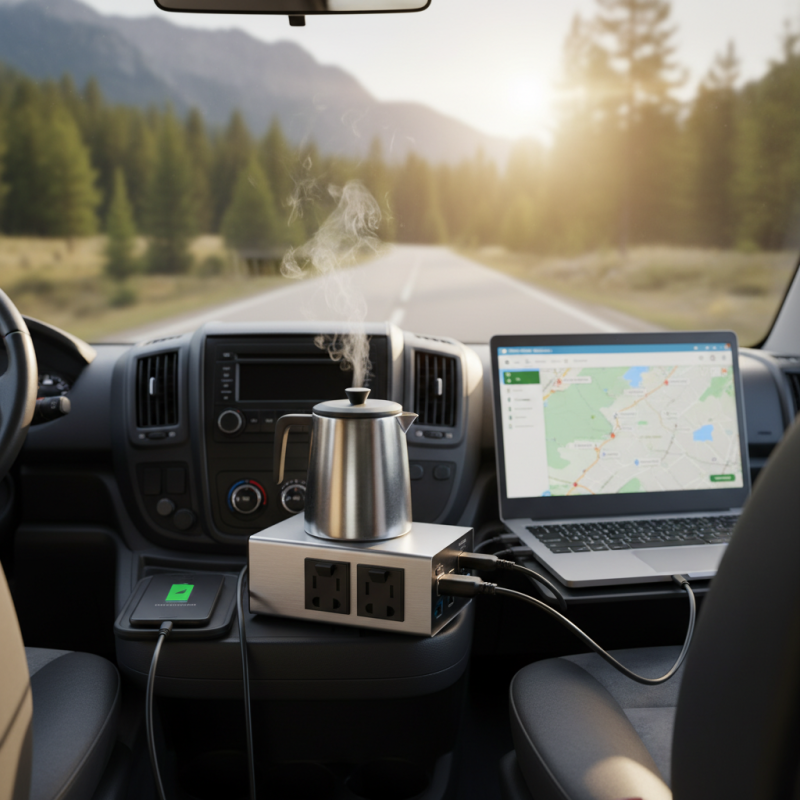
Why Should You Use a Vehicle Power Inverter for Travel?
Traveling with a vehicle opens up endless possibilities. However, many forget the importance of staying powered up on the go. According to industry expert John Riley, “A vehicle power inverter is essential for modern travel.” This technology allows you to charge devices, power laptops, and run small appliances while on the road.
Imagine taking a long road trip. You rely on your phone for navigation, but what if the battery dies? A vehicle power inverter can prevent such a disaster. You can also brew coffee, watch movies, or connect medical devices. The versatility is impressive, yet not everyone considers this tool before hitting the road.
It’s worth noting that quality can vary. Some inverters may overheat or fail to provide sufficient power. Not all models are created equal. Selecting the right one requires research and consideration. Think about your needs. Ensure you pick an inverter that truly fits your travel lifestyle.
Benefits of Using a Vehicle Power Inverter While Traveling
Traveling can be an exciting adventure, but staying connected is vital. A vehicle power inverter allows you to charge devices on the go. It converts your car's DC power into AC power, making it easy to plug in laptops, tablets, and more. This means no more dead batteries when you need them most.
Using an inverter can enhance your trip. You can enjoy your favorite shows on a long drive or work while traveling. It’s also great for families, especially with kids. Keep devices charged, and everyone stays entertained. However, it’s essential to understand your inverter's limits. Overloading it can cause issues.
Tip: Always check the wattage of your devices and the inverter before use. It’s a simple step that ensures safety. Pack your inverter in an accessible spot. You don’t want to stop and dig through bags to find it. Consider planning ahead for your power needs. Think about how many devices you'll use and for how long.
Benefits of Using a Vehicle Power Inverter While Traveling
Types of Vehicle Power Inverters Suitable for Travel
When traveling, a vehicle power inverter can be incredibly useful. There are different types to consider. A pure sine wave inverter is ideal for sensitive electronics. This type provides clean power, mimicking conventional wall outlets. It’s great for laptops and medical devices. A modified sine wave inverter is another option. It is less expensive and works well for basic appliances. However, it might not be suitable for everything.
Portable inverters are becoming popular. They are compact and easy to carry. You can charge devices while on the road. Many people use them to power small refrigerators or coolers. However, they have limitations in terms of wattage. Assess your needs before deciding on the size.
Consider the installation. Some inverters are plug-and-play, while others require wiring. This can be daunting for some. Make sure you are comfortable with the setup process. Also, remember that not all vehicles can support high-power inverters. Check your vehicle's capacity beforehand. This step can prevent issues during your travels.
How to Choose the Right Power Inverter for Your Needs
Choosing the right power inverter for your travel needs is essential. Start by determining how much power you will need. Consider the devices you plan to charge. Laptops, smartphones, and small appliances require different wattages. Knowing this information will help you select an inverter that meets your demands.
Look for inverters with the right type of output. Some devices require pure sine wave inverters. Others may work well with modified sine wave models. Check the compatibility of your devices. It can be disappointing to have a powerful inverter that doesn’t work with your essentials. Additionally, think about the inverter size. A compact model might be easier to store but may limit your options.
Pay attention to features and safety. Look for built-in protections against overcharging and overheating. These features can extend the inverter's lifespan. However, some inverters may be heavier and bulkier due to extra safety measures. This could be a trade-off during your travels. It's important to prioritize the right balance between portability and functionality based on your specific travel goals.
Tips for Safely Installing and Using a Vehicle Power Inverter
Installing a vehicle power inverter requires careful planning. Locate a safe spot in your vehicle for setup. The inverter should be placed where it won’t be a hazard while driving. Ensure proper ventilation around it. Insufficient airflow can cause overheating.
Connect the inverter to your vehicle's battery with the right gauge wires. Too thin wires may overheat. Check the fuse rating to avoid electrical issues. If you're unsure, consult someone experienced.
Using the inverter safely is crucial. Avoid exceeding its power capacity. Overloading can lead to failure or even fire. Regularly inspect your equipment and connections. If you notice any signs of wear, replace parts promptly. Stay alert during use; distractions can lead to mistakes.
Common Devices You Can Power with a Vehicle Inverter on the Road
When traveling, having a reliable power source is crucial. A vehicle power inverter provides the flexibility to power essential devices on the road. Common devices include smartphones, laptops, and even small kitchen appliances. Reports suggest that 65% of travelers rely on electronic devices for navigation and communication. A power inverter makes it easier to stay connected and entertained during long trips.
Many families appreciate the ability to power portable gaming consoles and tablets for kids. This can reduce boredom on lengthy journeys. Additionally, a vehicle inverter can run small refrigerators. Keeping snacks and drinks cool is essential for road trips. It turns out that 52% of families report happier travel experiences when they have access to cold refreshments.
Tip: Always choose an inverter that matches the wattage of your devices. Overloading the inverter can lead to damage. Also, consider the type of outlet your devices require. Some may need USB ports, while others need AC outlets. Check compatibility before travel.
Be mindful that not all inverters are efficient. Some models waste energy, leading to battery drain. It's crucial to select high-quality equipment. Some users regret their choices when they find their inverter can't handle multiple devices. Always read reviews and specifications before making a decision.